
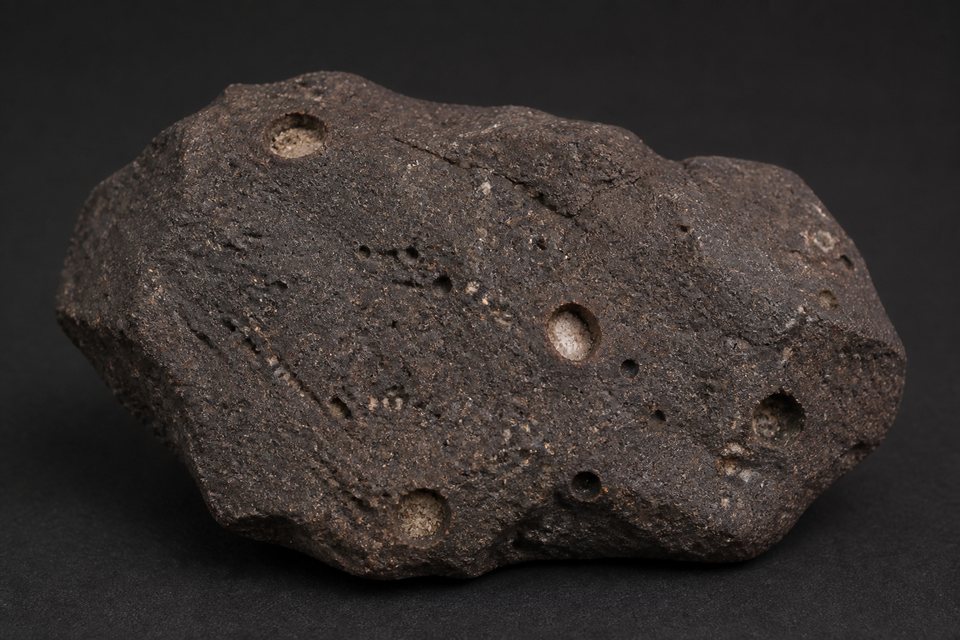
 Generated Example
Likely Match
Amygdaloidal Basalt
- Rock Group
- Igneous
Visual Clues
- Dark fine-grained matrix
- Rounded cavities with lighter fillings
- Rough weathered surface
Possible LookalikesScoria · Vesicular Andesite
Upload one photo to identify a rock, stone, mineral, or crystal online. Rock Identifier compares visible color, texture, grain, layering, and shape to suggest a likely match and useful lookalikes.
Rock Identifier Online
Start with a clear close-up. You can drag and drop a photo, browse your device, or take a photo on a supported mobile browser.
or click this area to choose an image
A clear, well-lit photo gives the rock identifier more visible detail to compare.Submit one photo when you are ready.
Supports JPG, PNG, and WEBP · Max 10MB
Generated Rock Examples
These original generated specimen images demonstrate the result layout. Each case shows the kind of likely match, rock group, visual clues, lookalikes, and next step the tool is designed to report.
Generated Example
Likely Match
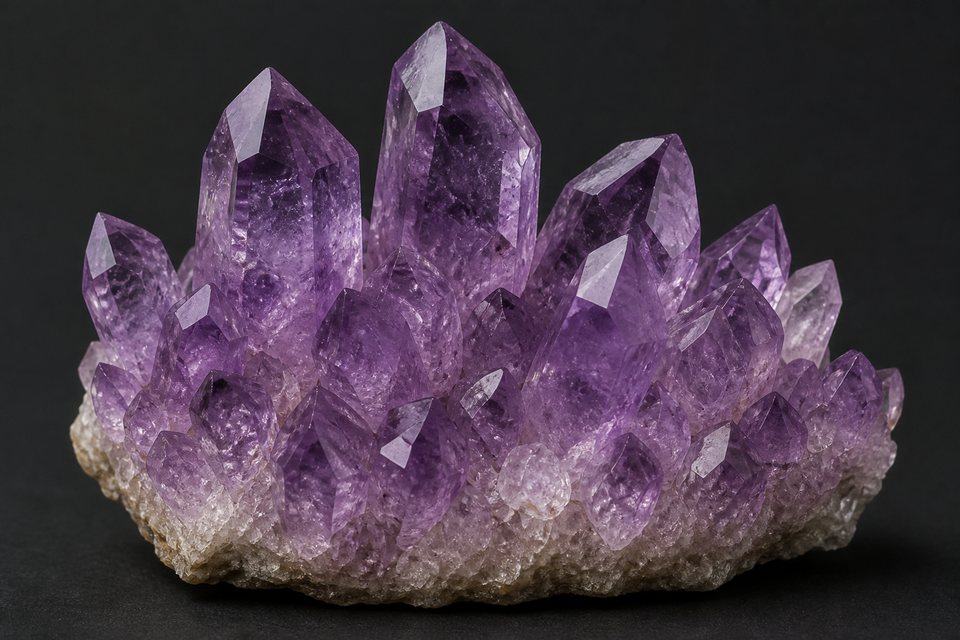 Generated Example
Likely Match
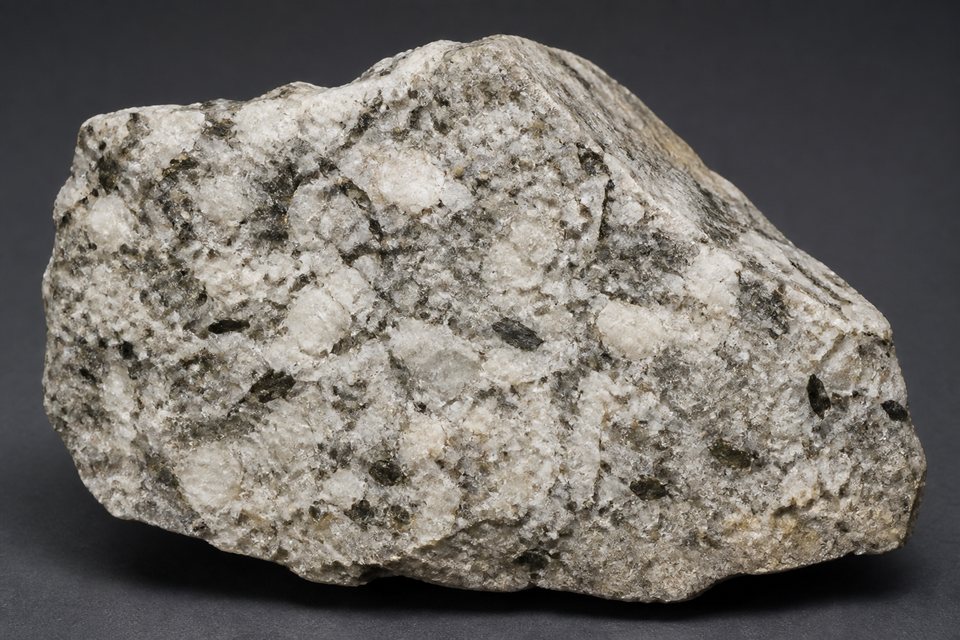 Generated Example
Likely Match
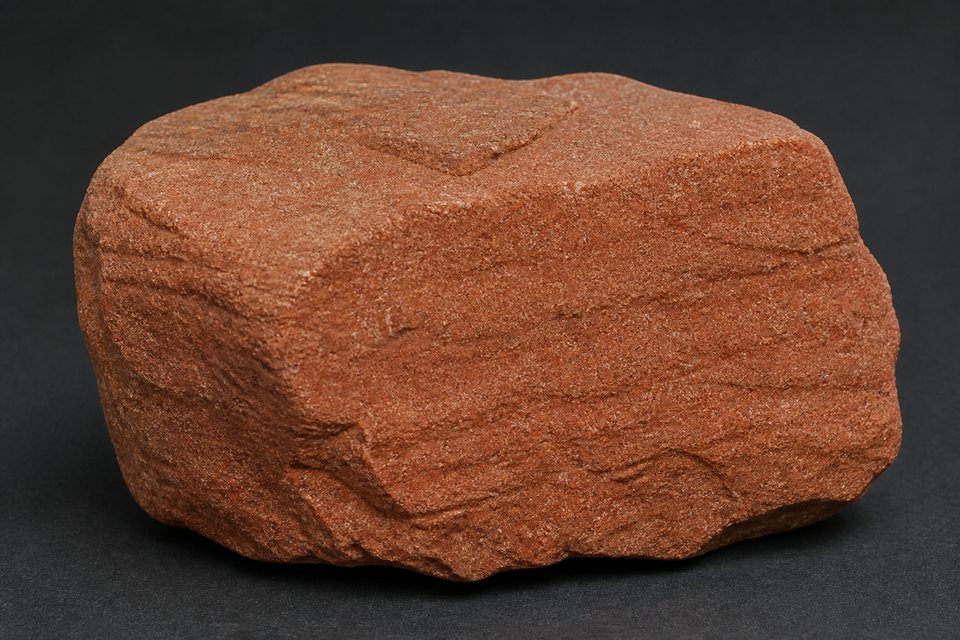 Generated Example
Likely Match
The images and result text are illustrative examples. A photo-based result cannot confirm hardness, chemistry, value, authenticity, or professional classification.
Rock Identifier Tools
Use the same photo workflow for common rock, stone, mineral, crystal, and gemstone-like finds. Choose a clear close-up and let the result explain the visible evidence instead of relying on a name alone.
How to Use the Rock Identifier
The online rock identifier keeps the first attempt focused: choose a photo, submit it, and read the likely match with its visual context.
Drag and drop an image, use Browse Files, or take a photo on a supported mobile browser. Only JPG, PNG, and WEBP images up to 10MB are accepted.
Select Identify This Rock. The button stays disabled until a valid image is selected, and the loading state prevents duplicate submissions.
Read the likely match, rock group, visual clues, possible lookalikes, and the suggested next photo or professional follow-up.
Better Rock Photos
A photo-based rock identifier can only compare what the camera captures. These simple changes make the visible evidence clearer.
Use natural light or a soft light source. Avoid a bright reflection, deep shadow, or color cast that changes the surface appearance.
Tap to focus and hold the camera steady. Make the rock fill most of the frame while keeping its edges visible.
A close-up can reveal grain size, pores, bands, crystals, or layering that is lost in a wide shot.
Place the specimen on a calm, contrasting background so the visible colors and shape are easier to separate.
What the Rock Identifier Looks For
Rock identification is not based on one color alone. The tool considers several visual signals together, then reports uncertainty when a photo does not provide enough evidence.
Light or dark backgrounds, speckles, bands, color zones, and repeated patterns can separate visually similar specimens.
Fine, coarse, glassy, sandy, layered, or interlocking textures can point toward different rock groups and lookalikes.
Edges, rounded forms, cavities, pores, fractures, polish, and weathering may add context to the visual comparison.
Visible strata, foliation, crystal faces, or a geode-like cavity can change which possibilities deserve a closer look.
A photo cannot reliably determine hardness, density, chemical composition, age, value, or authenticity. Use a qualified professional or laboratory when those answers matter.
Rock Identifier FAQ
Direct answers about photos, supported materials, privacy, free access, accuracy, and professional limits.
A rock identifier compares visible details in a photo, such as color, texture, grain, layering, pores, and shape, then suggests a likely rock, stone, mineral, or crystal match. It is a useful starting point, not a laboratory test or professional certification.
Upload one clear photo to Rock Identifier and select Identify This Rock. The result can show a likely match, a broad rock group, visible clues, possible lookalikes, and a suggestion for a better follow-up photo.
The tool is free to open and preview, but an active paid plan or credit pack is required for rock identification.
No. Rock Identifier is designed as an online tool. Open it in a modern browser, upload a JPG, PNG, or WEBP photo, and submit the image when you are ready.
Use natural or even lighting, keep the rock in focus, fill most of the frame with the subject, and choose a simple background. A close-up that shows texture and grain is usually more useful than a distant landscape photo.
The tool can consider rocks, stones, minerals, and crystals when those categories are visible in the submitted image. Similar materials can look alike, so the result is presented as a likely match with clues and lookalikes rather than a guaranteed identity.
Photo-based identification depends on lighting, focus, surface condition, camera angle, and how visually distinctive the specimen is. Rock Identifier does not promise a fixed accuracy percentage; use the result as a starting point and seek professional testing when certainty matters.
No. A photo cannot confirm gemstone value, authenticity, treatment, meteorite status, or a professional appraisal. Use the visual result to decide what to investigate next, then consult a qualified gemologist, geologist, museum, or laboratory.
The image is kept in the browser until you choose to submit it. When submitted, it is sent to the identification service for processing. Review the Privacy Policy for current information about temporary processing, service providers, retention, and your choices.
Many rocks and minerals share colors, grain patterns, or surface textures. Possible lookalikes show what could be confused with the leading match and help you choose a closer, better-lit photo or a professional follow-up test.
Ready to look closer?
Upload a clear photo and use the result as your next research step. When the visual evidence is not enough, the tool will say so and suggest a better way to continue.